

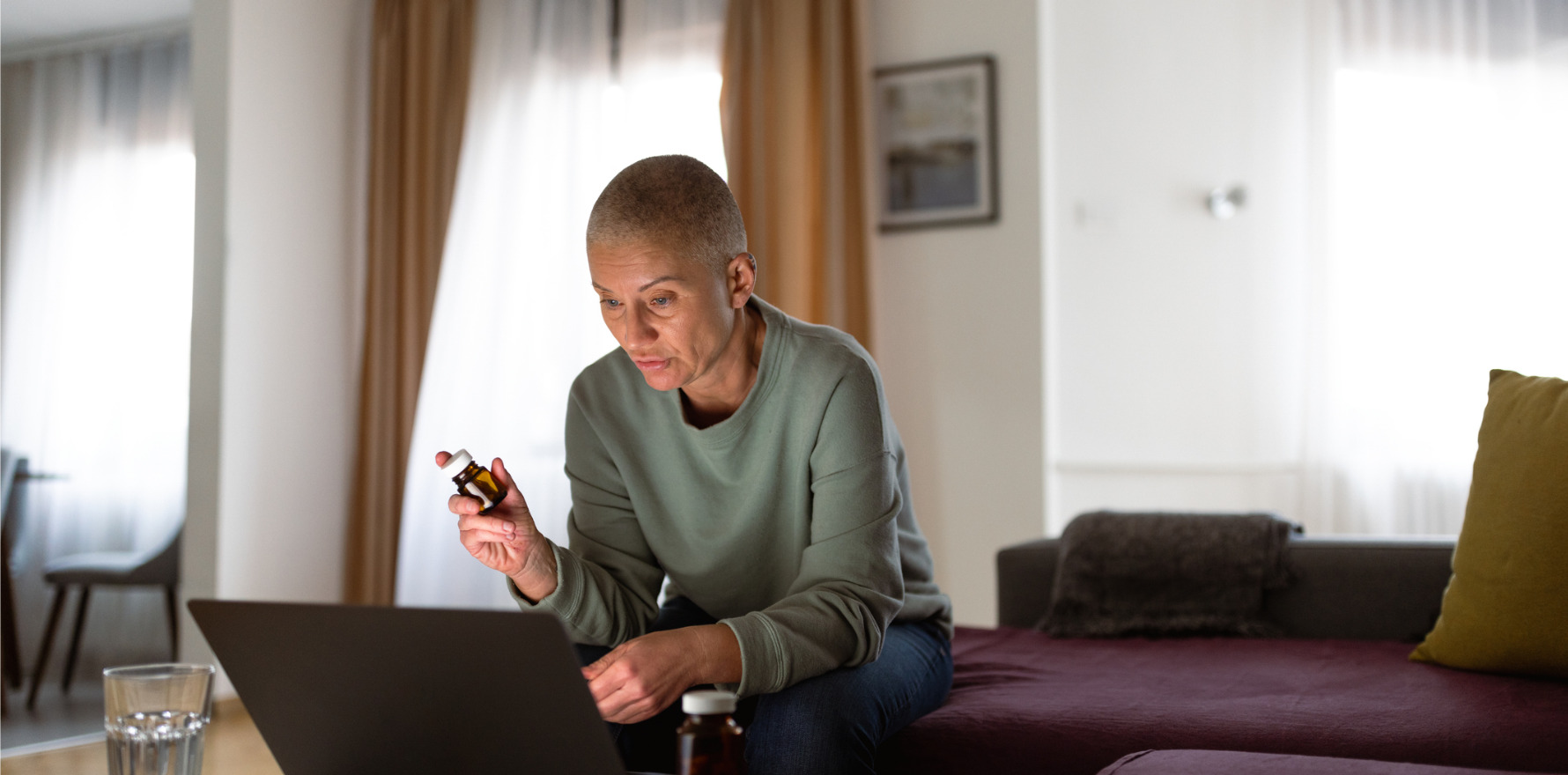
A real-world study finds similar safety and care quality between virtual and face-to-face cancer visits, though one group was more likely to need follow-up within a month.
Telehealth appears to perform just as well as traditional consultations for many oncology patients, with similar safety outcomes and patient-reported care quality.
But concerns about privacy and a higher likelihood of follow-up visits remain, according to the authors of a new observational cohort study comparing telehealth and in-person oncology visits among adult cancer patients treated within the previous three years.
“Although mostly similar health care use and patient perceptions suggest telehealth as a viable oncology option, identified differences highlight the need to ensure privacy and evaluate when telehealth visits are most appropriate,” the researchers wrote.
“These findings support telehealth as a viable substitute for some in-person oncology follow-up care, particularly for previously treated patients.
“The research provides real-world evidence to guide policy, highlighting the critical need to establish clear guidelines for appropriate use to ensure telehealth remains a safe and effective care option.”
Results have been published in JCO Oncology Practice.
The researchers linked patient surveys with electronic health record data to examine healthcare use, communication quality and patient perceptions of care following each type of consultation.
The study included 487 respondents across two US health systems, with 93 patients attending telehealth consultations and 394 seen in person. The mean age was 64 years and most participants were women.
Overall, short-term clinical outcomes were comparable between the two visit types. Rates of emergency department visits and unplanned hospital admissions did not differ significantly in the first month after consultations, suggesting telehealth did not compromise patient safety or clinical stability in this survivorship population.
However, patients who had a telehealth consultation were more likely to have an in-person oncology follow-up within 30 days. About 64% of telehealth patients attended another oncology visit within a month compared with 46% of those initially seen face to face.
The authors suggested the difference may reflect routine practice patterns rather than poorer care.
Clinicians may schedule a later in-person visit after a telehealth appointment to conduct a physical examination, arrange procedures or perform laboratory testing that cannot be completed virtually, they wrote.
Patient perceptions of care quality were largely similar between the two formats. Most participants reported their health concerns had been addressed during the consultation and said no further appointment was needed to resolve their issue.
Communication ratings also showed little meaningful difference between telehealth and in-person encounters.
Measures of empathy, listening and engagement were broadly comparable, although scores were slightly lower for telehealth consultations.
Related



The most notable divergence was privacy. While 80% of patients attending in-person visits felt their privacy was adequately protected, only 67% of telehealth patients said the same.
The finding highlights an ongoing barrier to broader adoption of telehealth in oncology, where sensitive discussions and emotional support are often central to care.
Researchers suggest clinicians should routinely check whether patients have access to a private environment before starting a virtual consultation and provide guidance on securing confidential spaces where possible.
Telehealth has been widely adopted since the covid pandemic to maintain continuity of cancer care while reducing infection risk. It offered clear advantages, including reduced travel, fewer logistical barriers and improved convenience for patients who may require frequent follow-up, the researchers wrote.
However, concerns remain among clinicians and policymakers about whether virtual visits deliver the same quality of communication and clinical oversight as in-person care.
The current study suggests telehealth can safely substitute for some oncology follow-up appointments, particularly among patients who have already completed treatment or are in longer-term surveillance.
The authors cautioned that results may not apply to patients in early treatment phases or those requiring complex physical assessments. They also noted limitations including a relatively small telehealth sample and low survey response rates.
“Despite these limitations, this study provides valuable insights into the real-world effectiveness and patient reception of telehealth services in oncology care,” the researchers concluded.
“The comparable frequency of inpatient and outpatient visits during the first two weeks aligns with the lack of difference in patient-reported quality of the visit and communication, supporting the ability of thoughtfully offered telehealth visits to substitute for some in-person care in the oncology setting.
“Future efforts should focus on establishing clear policies for appropriate telehealth use, strengthening privacy protections, and expanding technical support and equitable access to ensure that all patients can benefit from this mode of care delivery.”
