

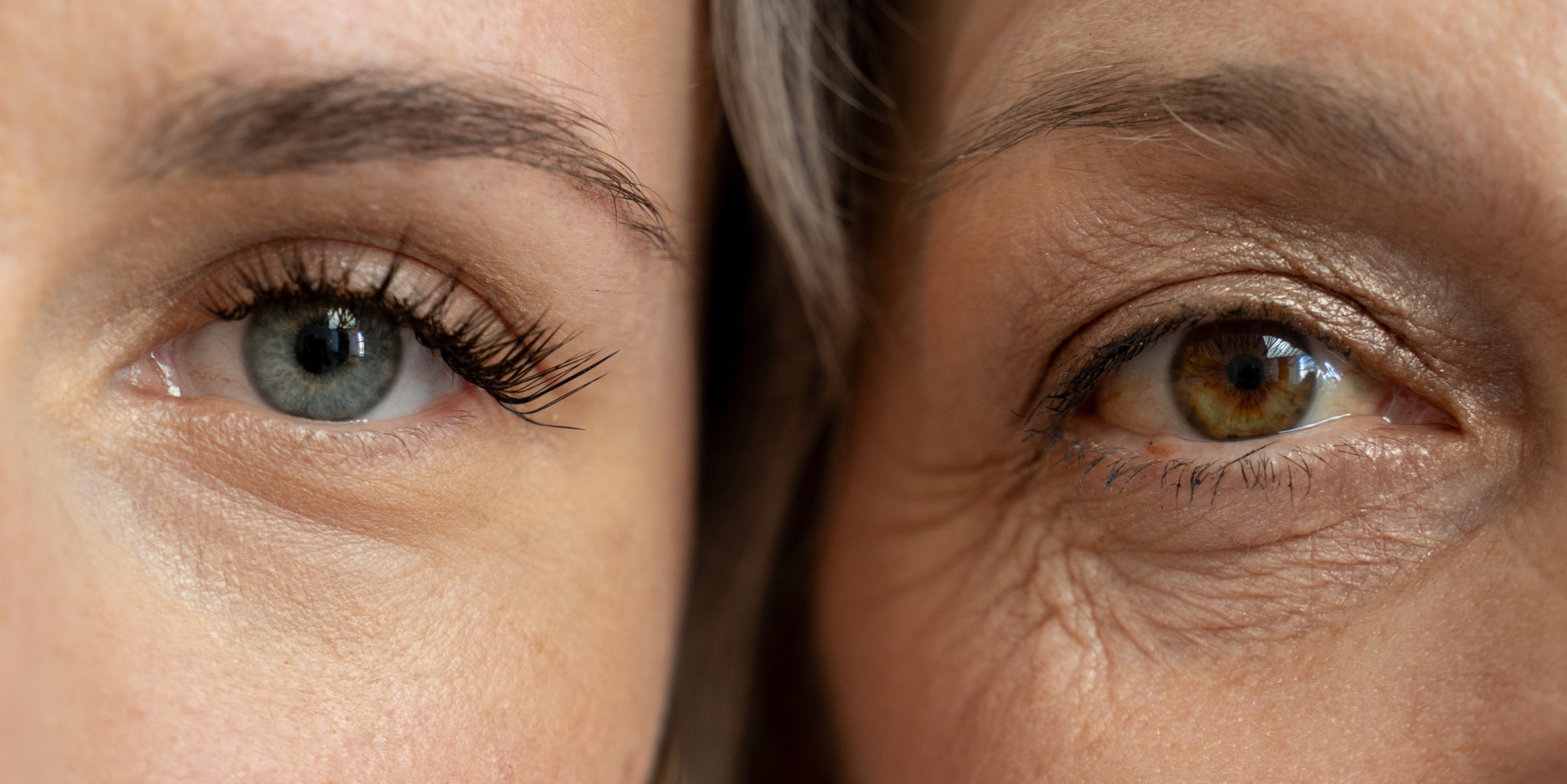
An artificial intelligence system that estimates biological age from photographs found faster facial ageing was associated with shorter median survival and higher mortality rates.
New research suggests that the speed at which a person’s face appears to age over time may provide important clues about cancer survival outcomes, offering a potentially practical way to assess biological ageing without blood tests or scans.
Analysing serial facial photographs from 2276 cancer patients receiving radiation therapy, a team of researchers from Harvard Medical School in the US found that a calculable face ageing rate (FAR) was associated with overall survival.
Using an artificial intelligence system known as FaceAge, which estimates biological age from images, the facial change over time between two clinical visits led to a personalised FAR value. The AI model was trained to detect subtle patterns in changes in skin texture, volume loss and underlying structural changes that are not always visible to clinicians.
FAR values were a statistically significant predictor of mortality over different follow-up intervals, even after adjusting for factors such as sex, race and diagnosis.
Adjusted hazard ratios ranged from 1.25 in short-term intervals between photographs (10–365 days), to 1.37 in mid-term intervals (366–730 days) and 1.65 in longer-term intervals (731–1460 days).
Median survival times in patients with accelerated facial ageing were shorter than those with lower FAR values. In the short-term cohort, median survival was 4.1 months vs 6.5 months, in the mid-term cohort it was 6.4 vs 12.5 months and in the long-term cohort it was 15.2 vs 36.5 months.
The study included patients whose photographs were taken during routine clinical care, with a median interval of 286 days between radiation therapy courses. The median follow-up period for the cohort was 35.7 months.
In subgroup analyses focusing on patients with metastatic cancer – who comprised 62.9% of the cohort at the first radiation therapy course and 78.7% at the second – the association between accelerated facial ageing and poorer survival remained significant. Researchers noted an even more pronounced separation in survival curves among metastatic patients, with statistical significance strengthening over longer follow-up intervals.
Notably, traditional factors such as chronological age were not consistently associated with survival in the study models, suggesting FAR may capture aspects of physiological decline not reflected by age alone.
Unlike traditional approaches that use a single measurement of biological age, FAR captured how quickly ageing progressed over time. Researchers noted that this dynamic measurement provided additional prognostic information beyond a single FaceAge reading.
They suggested that accelerated facial ageing may reflect broader biological processes linked to cancer progression and general health decline, including cellular senescence, DNA damage and reduced tissue repair capacity.
Related



FAR may act as a proxy for overall physiological resilience, they explained, potentially reflecting how well a patient is coping with disease and treatment stress. Patients with high FAR could benefit from closer monitoring or more tailored supportive care and, in advanced disease settings, it could help guide decisions around treatment intensity and palliative care planning.
Because FAR can be derived from standard clinical photographs already collected in oncology settings, the approach could be integrated into existing workflows without additional testing. Unlike many emerging biomarkers of biological ageing, which require blood tests or specialised assays, the approach was non-invasive.
“FAR bridges the gap between visual biometric indicators and underlying physiological changes, offering a dynamic, simple, accessible and non-invasive method for risk stratification and personalised treatment planning in oncology,” authors wrote.
“As research progresses, FAR has the potential to become an integral component of comprehensive cancer care and a tool to monitor changes in health more broadly, embodying the future of personalised medicine where serial facial photographs can provide profound prognostic insights.”
